
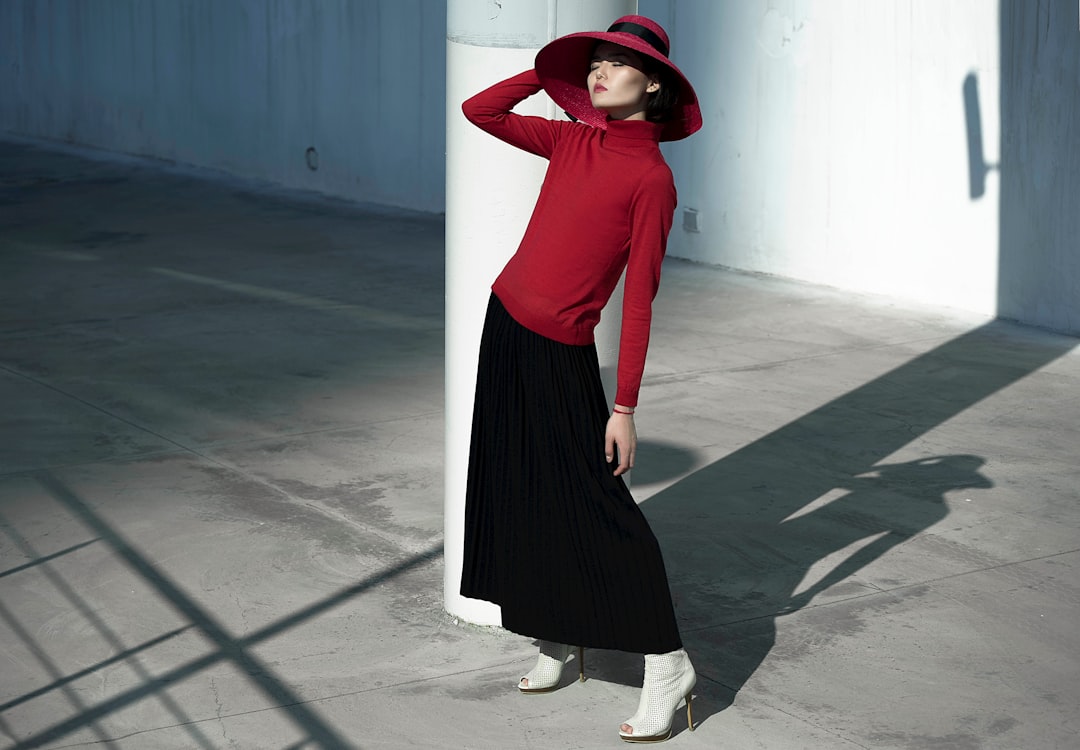
Fashion is more than just clothes; it is an extension of who we are and how we wish to be perceived by the world. The garments we choose to wear can serve as a powerful tool for self-expression, influence our mood, and impact our daily interactions. In a society that often equates appearance with professionalism and credibility, understanding the psychology behind fashion can be incredibly empowering.
When we step into our closets each morning, we are faced with a myriad of choices. From the boardroom to casual brunches, what we wear sends a message. Research suggests that the clothes we don can influence our performance and mindset—a phenomenon known as ‘enclothed cognition.’ For instance, wearing a tailored suit may not only project authority but can also elevate our self-perception and confidence. The act of dressing well can literally transform how we approach our day.
However, the world of fashion is not just about looking good; it also poses challenges. The constant cycle of trends and the pressure to stay stylish can lead to a culture of overconsumption. Fast fashion brands often promote a buy-and-dispose mentality that is unsustainable for both our wallets and the environment. As a response, many consumers are now leaning towards eco-friendly and sustainable fashion choices. Brands that focus on ethical production and environmentally friendly materials are gaining traction, catering to a conscious audience that values both style and sustainability.
Moreover, fashion is becoming increasingly inclusive. In recent years, we have witnessed a shift towards diversity on the runway and in advertising. Plus-size models, gender-neutral clothing lines, and culturally inspired designs are just a few examples of how the industry is beginning to embrace a wider array of identities. This change not only reflects societal shifts towards acceptance and inclusion but also enriches the fashion narrative, allowing more individuals to see themselves represented.
As we explore the idea of dressing for success, let’s not forget about the allure of luxury fashion. High-end brands often evoke a sense of aspiration, but the allure of luxury comes at a price. This dichotomy between luxury and affordability raises important questions: Do we sacrifice our financial stability for the sake of high-end labels? Or can we cultivate a style that reflects our personality without breaking the bank? The answer lies in a balanced approach.
Budget-friendly options are more accessible than ever. Thrift stores, online marketplaces, and even DIY fashion hacks allow savvy shoppers to curate stylish wardrobes without the hefty price tag. With a little creativity, a vintage dress can be revamped into a modern masterpiece, and an old pair of jeans can become a trendy bag. These budget-friendly approaches not only save money but also encourage us to think critically about our consumption habits.
In addition to personal style, fashion plays a crucial role in the workplace. Dress codes vary widely across professions, and understanding the expectations can be key to navigating career advancement. For instance, tech startups often promote casual attire, whereas corporate settings might lean towards more formal options. By aligning our wardrobe choices with our career goals, we can make a strategic impact.
The evolution of fashion is ongoing, and it is essential to embrace emerging trends while remaining true to our personal style. Fashion is a reflection of the times, shaped by cultural movements, technological advancements, and global conversations. As we move forward, it is exciting to think about what the future of fashion holds—perhaps a shift towards augmented reality shopping experiences, or the rise of virtual fashion.
In conclusion, fashion is an intricate dance between personal expression and societal influence. Whether we are dressing for an interview, a date, or a casual outing with friends, what we wear speaks volumes about who we are and how we wish to be seen. By understanding the deeper implications of our fashion choices, we can cultivate a style that not only enhances our confidence but also contributes to a more sustainable and inclusive world.